GL.iNet Flint 3 vs ASUS ZenWiFi BT8
Side-by-side facts with the differences marked. A spec advantage is not a verdict: what matters depends on your connection, your space and what you run on the router.
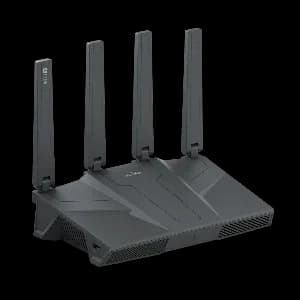
Not supported
Photo: OpenWrt wiki · CC BY-SA 4.0 · resized

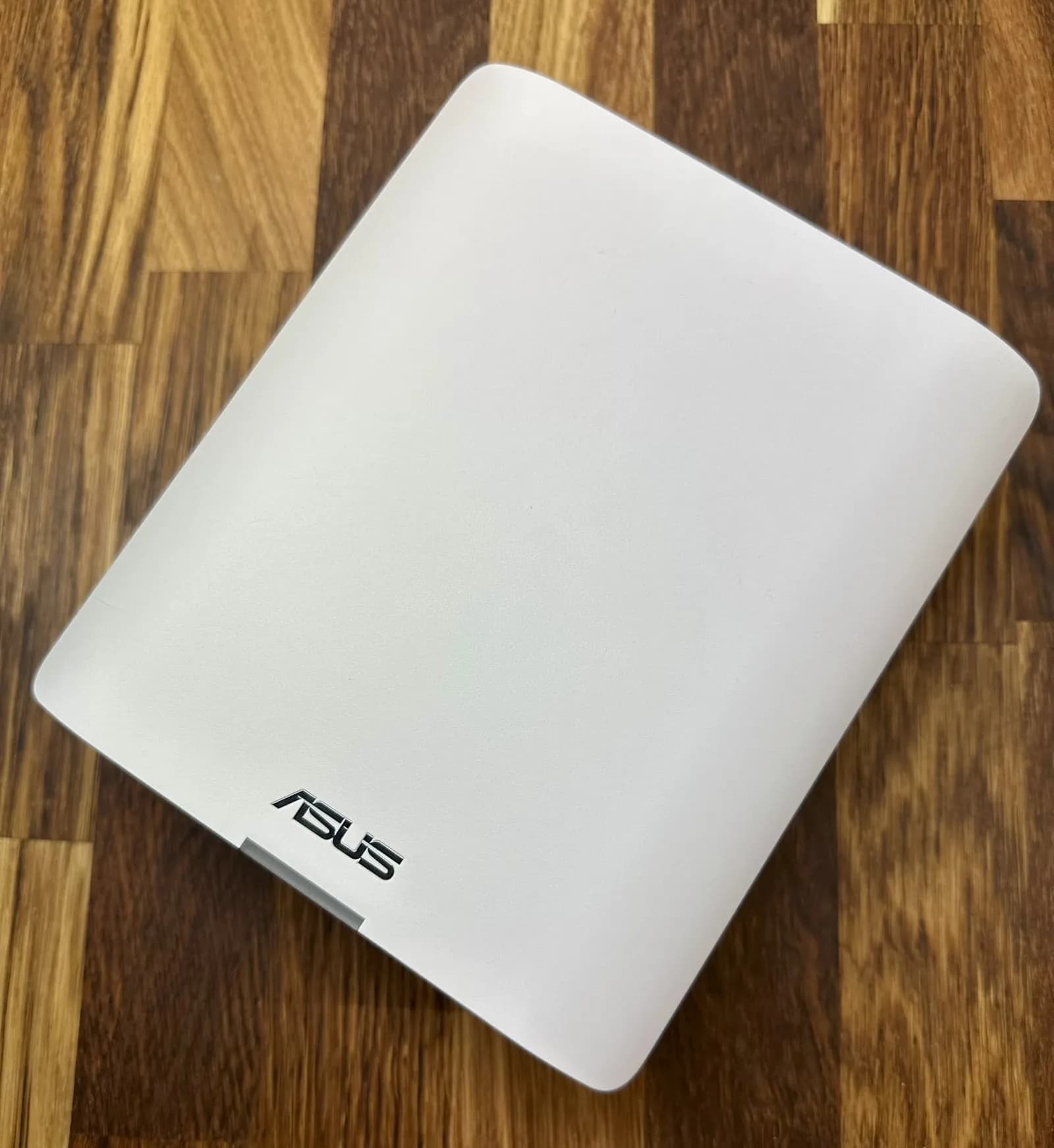
Fully supported
Photo: OpenWrt wiki · CC BY-SA 4.0 · resized

| Factual data | GL.iNet Flint 3 (GL-BE9300) Not Recommended | ASUS ZenWiFi BT8 Recommended |
|---|---|---|
| OpenWrt | ||
| Support | Not supported | Fully supported |
| Status | No official images | Current stable release |
| Supported since | — | 25.12.0 |
| Latest release | — | 25.12.6 |
| Installation | Unknown | Moderate |
| Warnings |
| None |
| Hardware | ||
| SoC | Qualcomm IPQ5332 | MediaTek MT7988D (Filogic 880) |
| Architecture | ARM 64-bit (aarch64) | ARM 64-bit (aarch64) |
| CPUBased on core count × clock speed within the same architecture, not a benchmark. | 4 cores @ 1.5 GHzmore CPU | 3 cores @ 1.8 GHz |
| RAM | 1 GB | 1 GB |
| Flash | 8 GBmore flash | 128 MB |
| USB | 1× USB 3.0 | 1× USB 3.0 |
| Network | ||
| Fastest port | 2.5 GbE | 2.5 GbE |
| Multi-gig ports | 5× 2.5 GbEmore multi-gig | 2× 2.5 GbE |
| Ethernet ports | 5 | 4 |
| Wi-Fi | Wi-Fi 7 · BE9300 · 2.4 / 5 / 6 GHz | Wi-Fi 7 · BE14000 · 2.4 / 5 / 6 GHz |
| Max wireless (theoretical) | 9.3 Gbps | — |
| VLAN | Yes | Yes |
| Suitability (our estimate) | ||
| WireGuard | Not assessed | Excellent |
| OpenVPN | Not assessed | Good |
| SQM | Not assessed | Excellent |
| Travel router | No | No |
| Editorial | ||
| Overall score | 5.0 | 8.2 |
| Typical price | ~$159 | — |
| Where to buy | Retailers → | Retailers → |
▲ marks the router with the advantage on that line. Prices are editorial references, not live prices.
We have not written an editorial comparison for this pair. Read each router’s full page for our opinion: GL.iNet Flint 3 · ASUS ZenWiFi BT8.